The First And Only Technology Enabling 2-Day Therapy Selection

RapidSelection measures cancer cell weight change

While it takes days or weeks to measure cell death, cell weight change can be measured in hours


Image: description...
Our proprietary technology, developed at the Massachusetts Institute of Technology (MIT), measures a patient's live tumor cells' mass response (weight change) to cancer drugs or drug combinations in hours.

For that reason, RapidSelection is 100 times more precise than alternative technologies. This extraordinary precision enables us to detect when a cell begins responding to a drug long before it dies.
100x
More precise than alternative technologies
80%
Accurate at detecting effective drugs*
* See Clinical Evidence data

Travera predicts which cancer drugs are likely or unlikely to work for your patient. The weight change occurs regardless of an effective drug's mechanism of action; if a cancer drug does not affect the weight of cancer cells, it’s unlikely it will help the patient.
A clear path to personalized cancer therapy
The RapidSelection™ test overcomes previous biological and clinical barriers to personalized cancer therapy. Past efforts have focused on measuring cell death, a process that can take over a week and has shown no sustainable clinical success. Since a cell’s weight change ex vivo happens in hours, we eliminate the difficulty of having to distinguish between natural cell death and cell death induced by a cancer drug.

Preliminary studies have shown that RapidSelection™ test applies to many different cancer drugs with different mechanisms of action across 90% of cancers.

Clinical Platform & Workflow


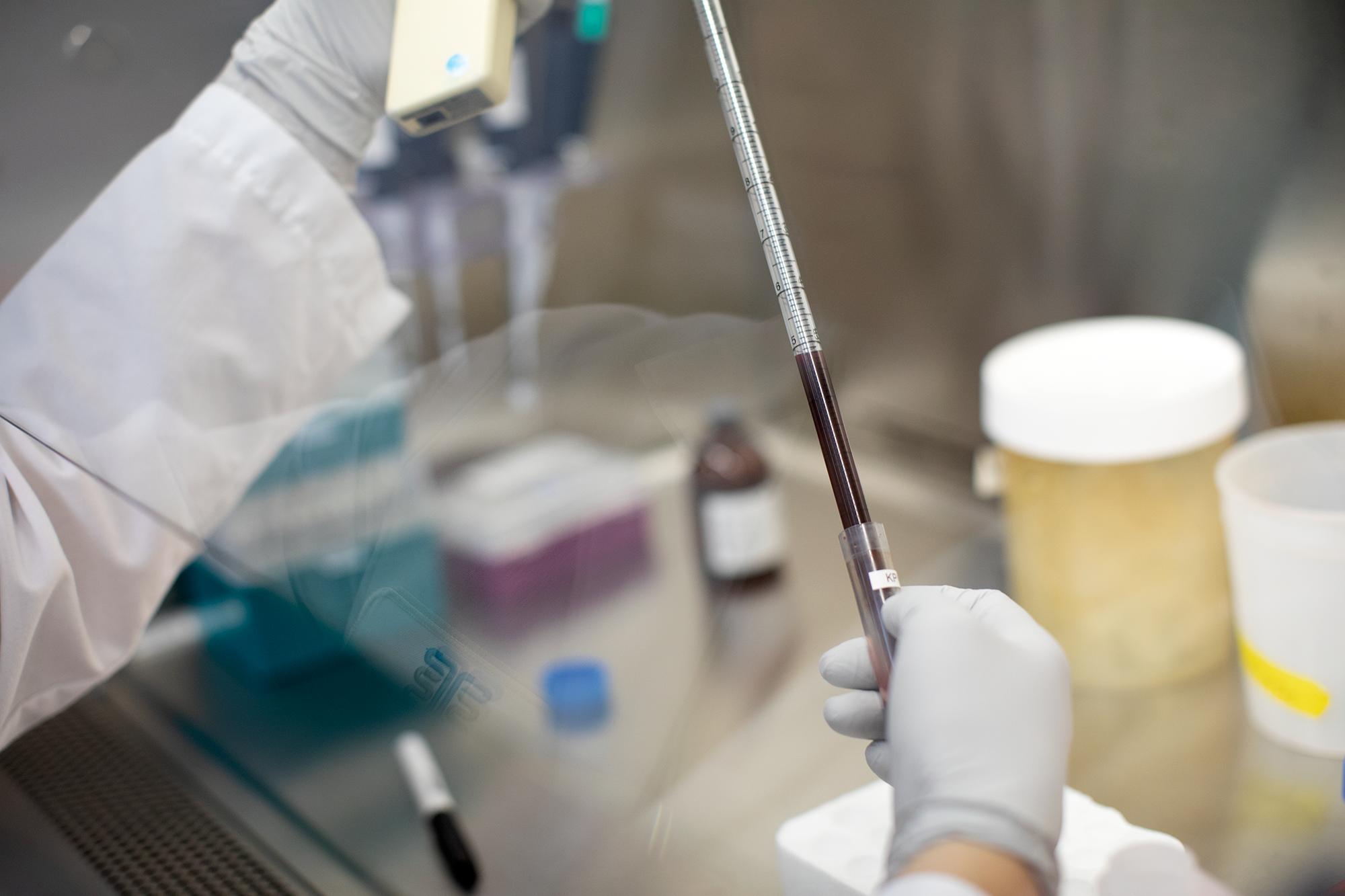
The testing process begins the moment our lab receives cancer cells from the patient. Cancer cells are collected by clinicians and shipped overnight to our lab in one of our temperature-controlled shipping kits. Our test process incorporates five basic steps.
Arrow Down Icon
Step 1
Purifying The Cells
As soon as we receive the biopsy sample, we begin a purification process to isolate the cancer cells for testing.

For blood cancers, we use a positive selection method that identifies and isolates the cancer cells based on known proteins on the cancer cell membranes. For solid tumors, we dissociate the tissue into a single cell suspension and use a negative selection method that destroys the non-cancerous cells, resulting in a high concentration of cancer cells suitable for testing.
Arrow Down Icon
Step 2
Dosing And
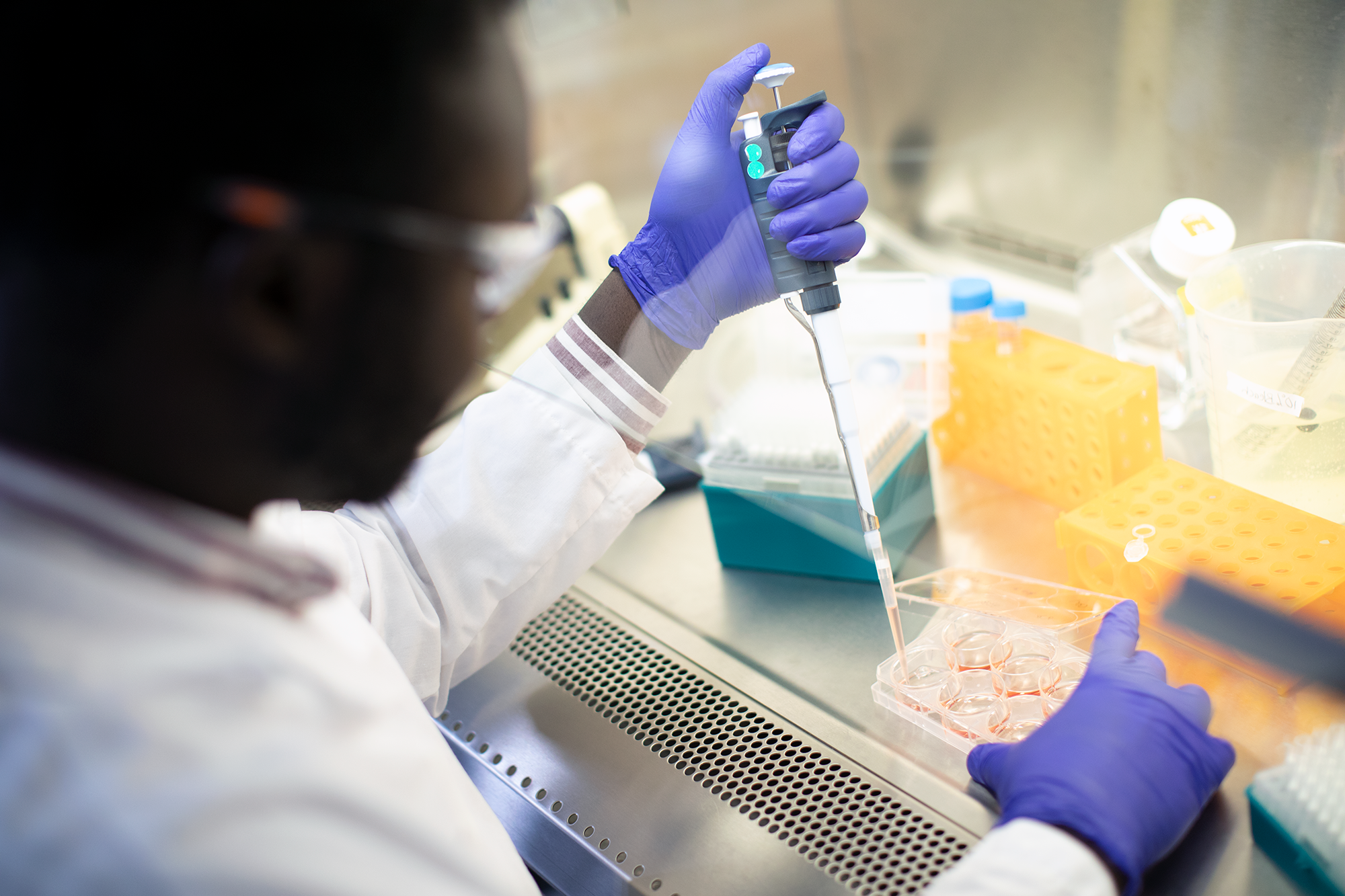
Incubating The Cells
A portion of the purified cells is used for assessing drug effectiveness and another portion is used as controls. Each sample is divided into multiple wells, with a single drug or drug combination added to the test wells and no drug added to the control wells. We incubate the samples for approximately 15 hours.

The cancer cells that receive cytotoxic drugs (such as chemotherapies and targeted inhibitors) are incubated in minimal media only. For immunotherapies (antibodies and checkpoint inhibitors) we include the immune system components (NK cells, T cells, and complementary proteins) required to enable the anti-cancer activity of the drug.
Arrow Down Icon
Step 3
Measuring Mass Distribution
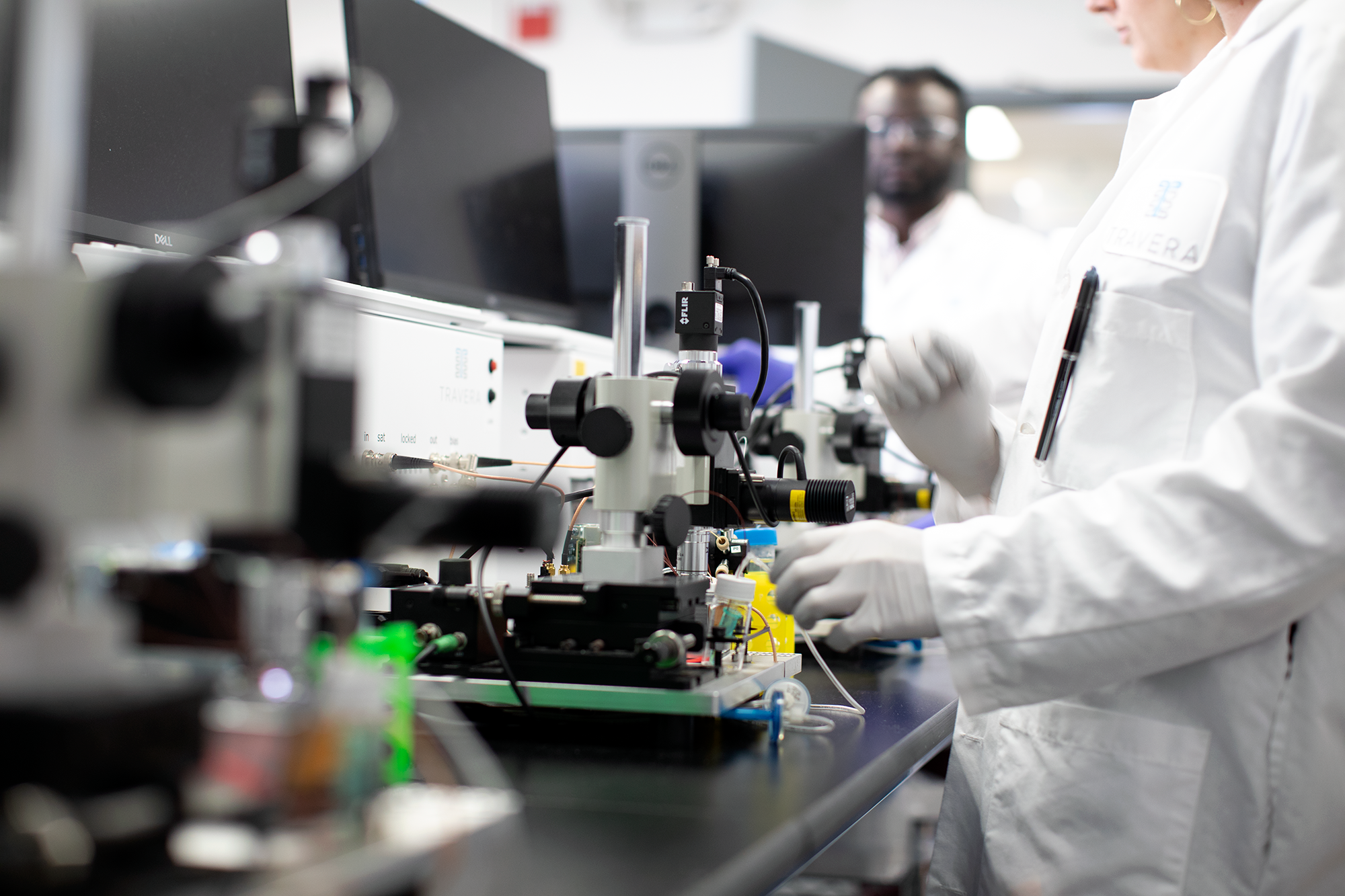
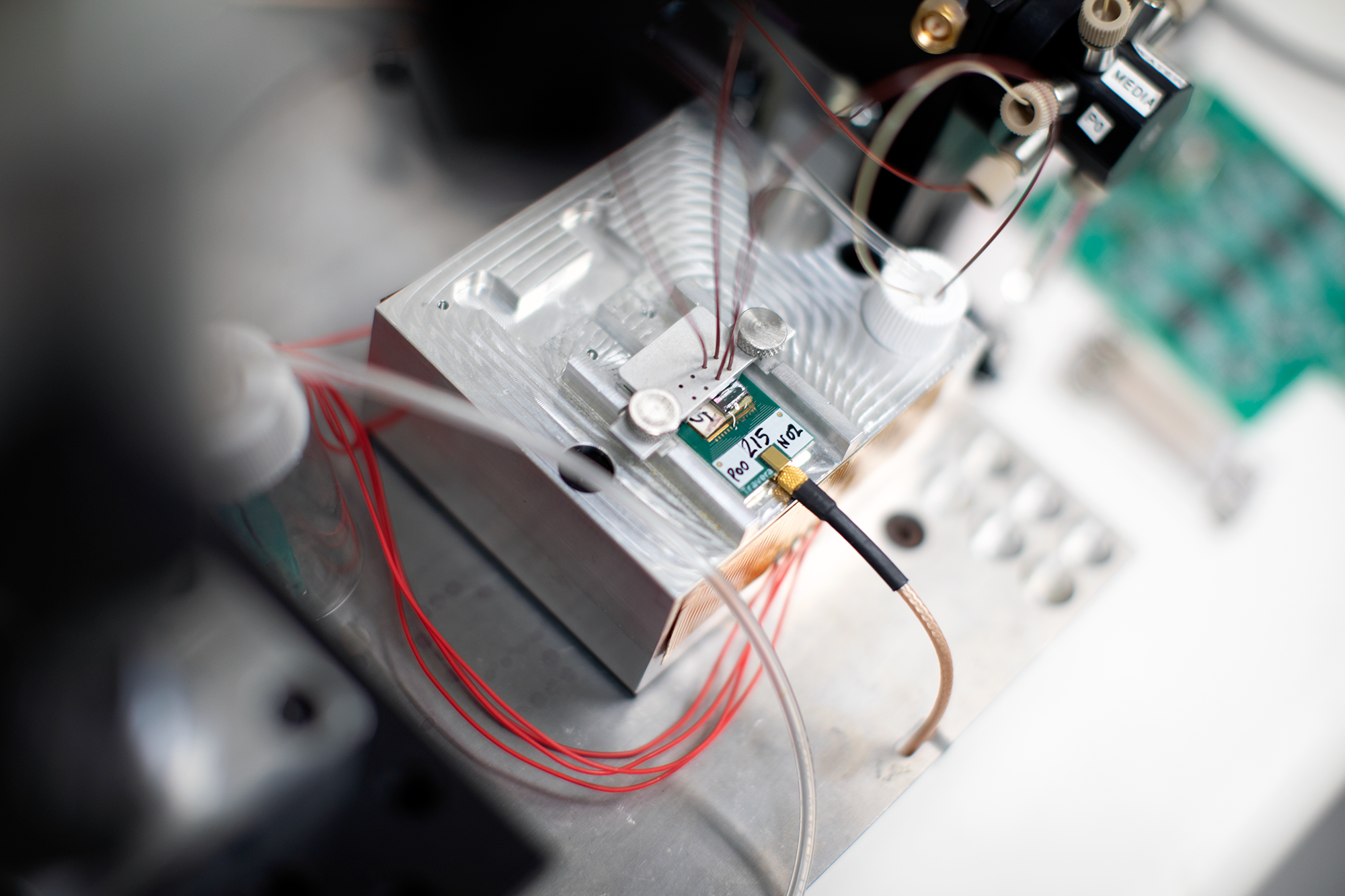
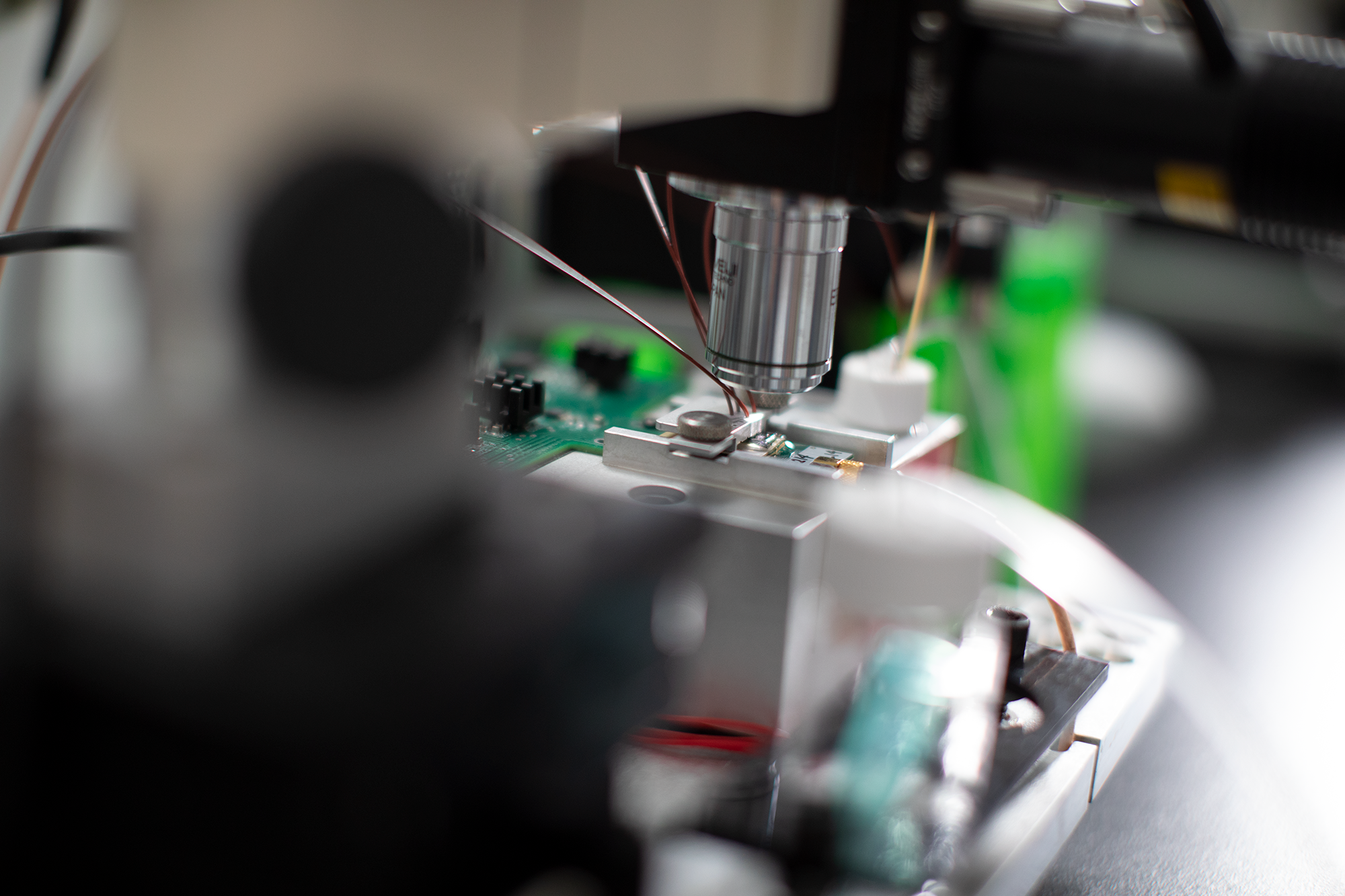
Immediately following the incubation period, we measure the mass distributions of the cells from each well using our proprietary Suspended Microchannel Resonator (SMR).

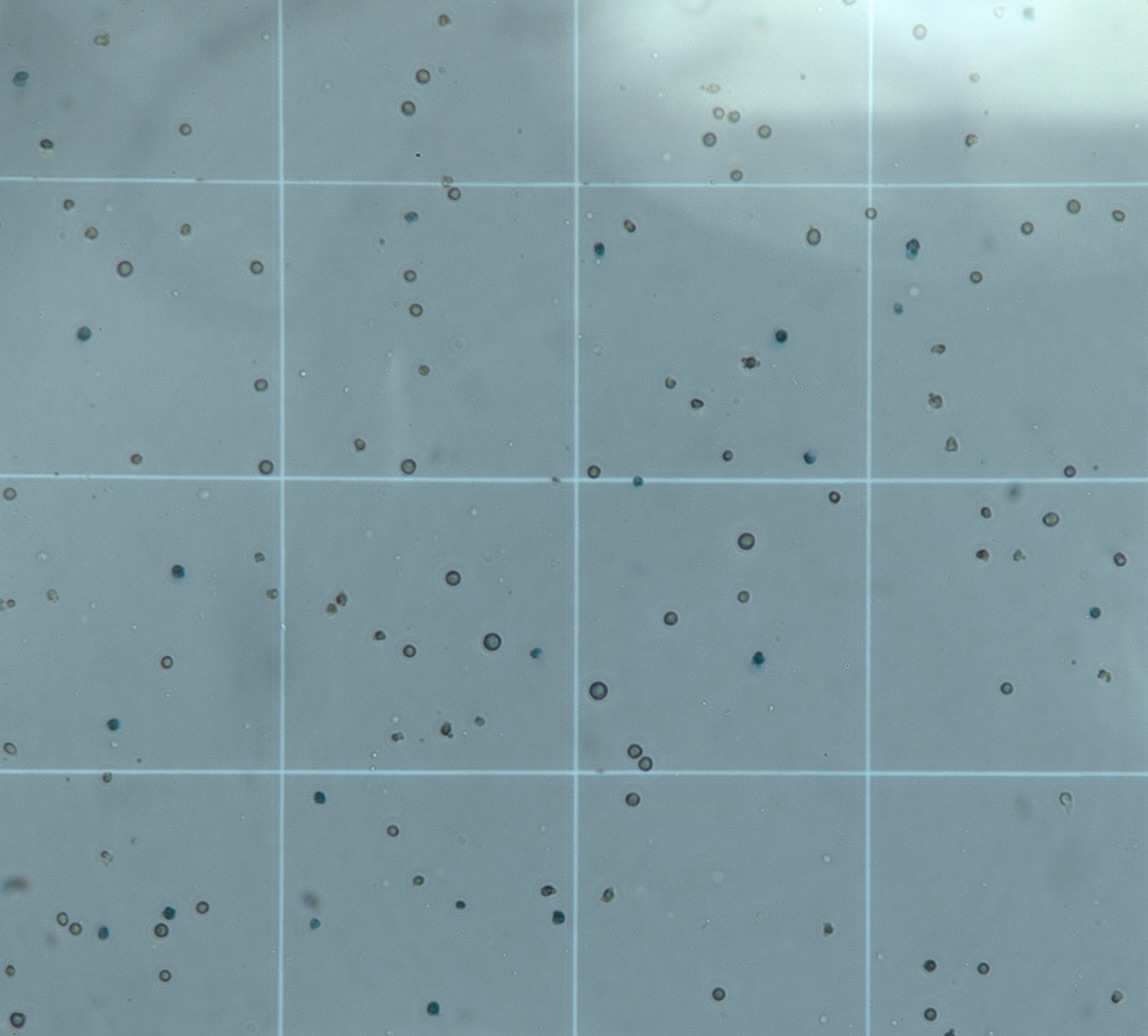
Since the cell purification process leaves impurities that can interfere with our mass distribution measurements, we use an AI-based image classification system to identify and remove impurities before doing our calculations. We produce a brightfield image of each particle entering the SMR, link the image to the mass measurement, and use a manually curated training set of approximately 20,000 images of healthy cells, dead cells, debris, and clusters to automatically classify each particle. This enables us to remove the debris and clusters from the calculation of the mass distributions.
Arrow Down Icon
Step 4
Calculating Drug Response
Once we have measured the masses of the cells in all the wells, we compare the difference in the mass distributions of the cells exposed to drugs to the cells in the control group and calculate whether the measurements are significantly different.

We use the p-value as the standard measure of statistical confidence. We convert p-values to a score of 0-100, where scores less than 50 correspond to “no drug response” from resistant cells, and scores greater than or equal to 50 correspond to “positive drug response” from sensitive cells.
Arrow Down Icon
Step 5
Reporting Results
We generate a report that includes drug sensitivity information along with a variety of quality control and other measurements we make during the process. We submit this report to the ordering physician the day after we receive the sample.

How it works


For ordinering physicians
Step 1
Order
Discuss the RapidSelection™ Test with your patient. You can contact Travera’s clinical support services to determine which testing option to prescribe.
Step 2
Sample Collection
We will ship a sample collection kit to the person indicated in the test requisition form. Once collected, the sample will reach our lab quickly via overnight shipping.
Step 3
Test results
Within the following 2 days, the test results are ready to review online or via fax. Our clinical support services are available to answer any questions.

Technology Innovation

The RapidSelection™ test uses proprietary technology developed in the Manalis Lab at MIT — the Suspended Microchannel Resonator (SMR). This revolutionary invention has such extraordinary sensitivity that it can measure the mass response (weight change) of a patient’s ex vivo cancer cells in response to a cancer drug or combination of drugs 100 times more precisely than any alternative technology. When an effective cancer drug is applied to a collection of cancer cells, it disrupts their growth. This weight change begins within a few hours of exposing the cancer cells to effective cancer drugs. Using the SMR, RapidSelection™ weighs 5,000 individual cancer cells in the sample and plots their mass distribution.
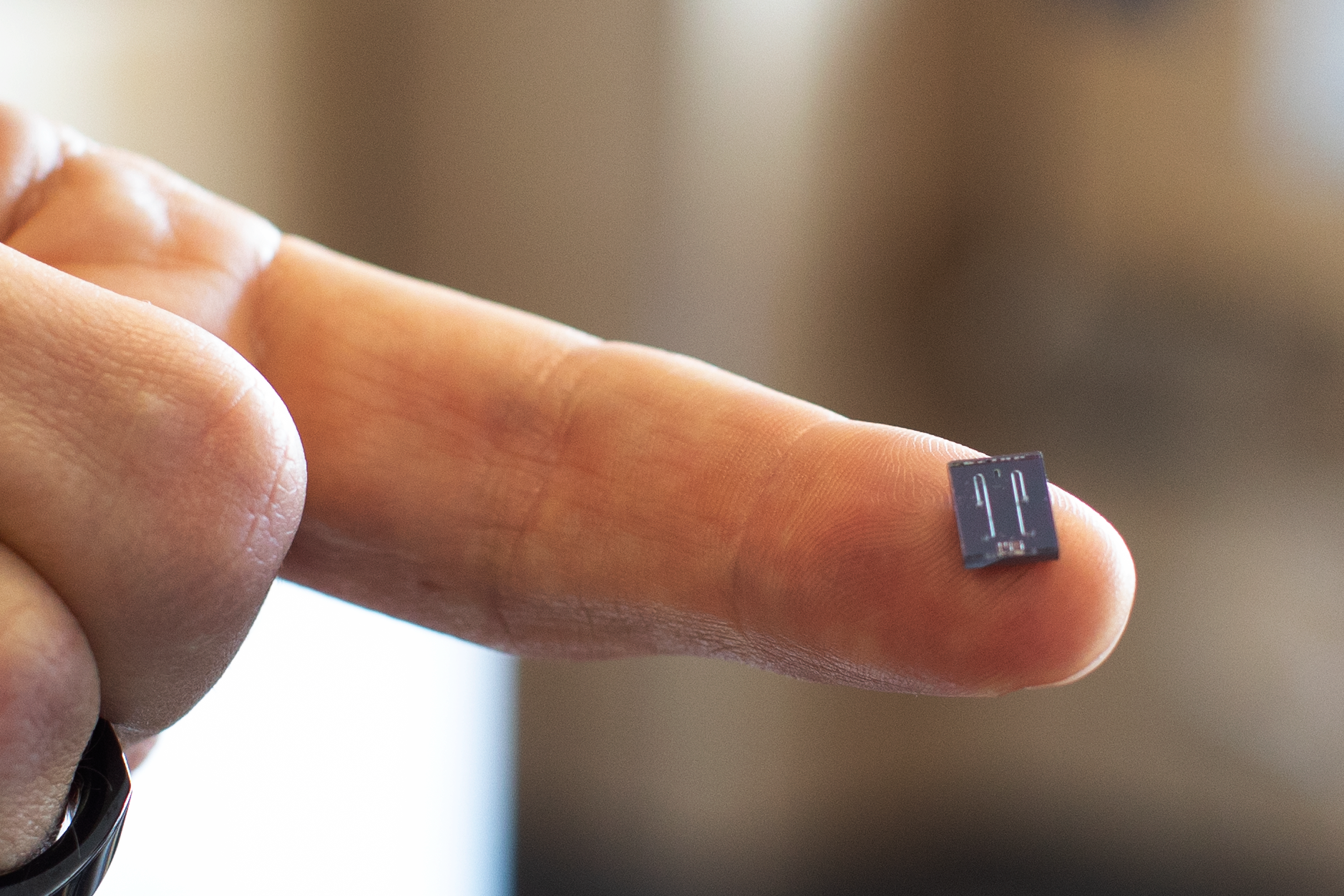
Image: The SMR MEMS chip on a finger

How the Suspended Microchannel Resonator works


The SMR is a microelectromechanical systems (MEMS) device that can weigh individual cells to a precision better than one part in 1,000. This corresponds to a change of fewer than 50 femtograms in the weight of a cell, or approximately 5 nanometers in the diameter of a cell. The SMR uses the principle that the resonating frequency of an oscillating cantilever (visualize a diving board in motion) is proportional to its mass. The SMR is made up of a cantilever containing a tiny fluidics channel surrounded by a vacuum.

When a single cell flows through the channel inside the cantilever, the resonant frequency of the cantilever changes in proportion to the mass of the cell.We can measure the change of the resonant frequency of the cantilever with a precision of 10 parts per billion, which gives us an extraordinarily accurate measurement of the mass of the cell — before and after drug exposure.

Image: SMR